A sliding door roller is not interchangeable simply because its wheel diameter looks right. You need to match the complete door weight, track, profile, fixing geometry, operating frequency and site exposure before requesting a replacement or new system. By the end, you will have a practical specification and supplier checklist for residential, commercial and glass sliding doors.
Key takeaways
- Identify whether the door is bottom-rolling or top-hung before ordering rollers.
- Match roller capacity to the complete door leaf, not only the glass weight.
- Measure wheel diameter, housing dimensions, axle position and mounting holes.
- Include door type, quantities and required dimensions in your Mumbai supplier enquiry.
Choose the roller system by door construction, not by product name
Identify the load path before choosing sliding door rollers. A bottom-rolling sliding door carries its leaf through wheels onto a floor track; a top-hung sliding door transfers the load through carriages into the overhead structure. These systems are not interchangeable repairs.
| System | Identify it by | Specify |
|---|---|---|
| Bottom-rolling sliding door | Wheels visible beneath the leaf and a floor track | Roller height, wheel diameter, track profile, anti-lift feature and total door load |
| Top-hung sliding door | Overhead rail or track carries the leaf; the floor guide only stabilises it | Carriage type, rail system, fixing method and overhead structure capacity |
| uPVC residential sliding doors | Roller cassette sits inside a defined sash profile | Profile series, screw-centre spacing, cassette width and adjustment range |
| Frameless glass sliding doors | Glass is clamped or fixed to a purpose-designed carriage | Glass thickness, holes, cut-outs and edge clearances |
For residential sliding doors, confirm the panel weight, width, number of panels, track layout and roller count. Include anti-lift or anti-jump hardware; smooth movement is not enough if impact or wind can lift the leaf from its track.
Commercial sliding doors need an operating-cycle requirement as well as a static load. A roller suitable for occasional home use can wear, flatten or lose adjustment in a shop, office, hotel or institutional entrance.
Do not substitute wardrobe rollers, furniture hardware or sliding window bearings. Their lighter load, smaller track and different mounting geometry make catalogue names misleading. For toughened glass, never drill or modify the glass after tempering; match the complete fitting system instead.
Match load capacity, wheel material and glass-door requirements
Start with the complete moving-door weight, not the glass alone. Estimate glass at 2.5 kg per square metre per millimetre: a 10 mm panel weighs about 25 kg/m², while 12 mm weighs about 30 kg/m². Add the aluminium frame, handles, lock, seals, clamps and attached hardware.
Use this screening calculation:
- Design load = complete door weight × 1.25
- Required rating per roller = design load ÷ the rollers that actually carry the door
- Compare that result with the manufacturer’s sliding door roller load rating, including its stated loading arrangement
A four-roller set is not automatically rated for four equal shares; uneven tracks or adjustment errors can leave two rollers carrying most of the load. Bottom-rolling doors transfer weight into the floor track, while top-hung doors transfer it into the overhead structure, so never substitute their hardware.
Wheel choice must match the track, load and usage. A nylon wheel runs quietly and protects finished tracks, but a stainless steel roller suits higher wear when the track is designed for it.
An MS roller body needs a durable corrosion-resistant finish and protected bearings in Mumbai’s humid, salty air; uncoated steel can seize or develop rust at the fixing points.
For a glass door, confirm glass thickness, panel weight, frame or clamp arrangement, track profile, wheel diameter, bearing width and adjustment clearance. Tempered glass must not be drilled after manufacture. Furniture rollers and wardrobe wheels belong on lighter tracks, not architectural glass leaves.
Verify every dimension before fitting a replacement roller
A replacement roller fits only when its wheel, housing and fixing geometry match the door. A matching wheel diameter proves little: wheel width, groove shape, bearing type, axle position, track profile and vertical-adjustment range can all prevent correct operation.
Measure the removed part with calipers, not by catalogue description. Record:
- Wheel diameter and width, plus the running surface or groove
- Housing length, height and width, including the available frame clearance
- Mounting-hole spacing from centre to centre, hole diameter and screw direction
- Axle position relative to the housing and the roller’s adjustment range
- Track profile, track width and any worn, raised or obstructed section
Check the shutter or profile series before ordering a uPVC sliding door roller. Tandem bodies, screw centres and adjustment slots vary between uPVC systems, so send the supplier a physical sample or the exact profile reference.
Do not substitute a wardrobe or furniture roller; its lighter housing and different mounting geometry can fail under a door leaf.
Check these fitment points before tightening every screw:
| Check | Correct match | Failure if ignored |
|---|---|---|
| Wheel and track | Diameter, width, groove and material suit the track | Binding, noise or rapid wear |
| Body and frame | Housing clears the sash and sits square | The roller will not seat or adjust |
| Fixings and adjustment | Hole centres and screw access align | Drilling weakens the frame or adjustment is lost |
After fitting, rotate the wheel by hand, clean the track, adjust the leaf for an even gap, and test the door through its full travel.
Solve movement problems and maintain the complete sliding assembly
A new roller will not fix a bent sliding door track. Inspect the complete running path before fitting parts; a distorted, unlevel or contaminated track increases opening force and overloads the replacement.
- Remove the panel safely, clean the track and check its straightness with a level and straightedge.
- Confirm the wheel sits fully in the track, then secure the housing without forcing it against the frame.
- Turn the height-adjustment screw in small increments until the panel is plumb, the gaps are even and the lock aligns.
- Fit an anti-jump roller or retention device where the door design requires it, then test travel and closing force before refitting covers.
- Set soft-close sliding door hardware only after the panel rolls freely; a damper cannot compensate for binding.
If movement remains stiff, inspect the track profile, wheel groove, axle position and fixing points rather than repeatedly tightening the adjustment. Replace the track when it is bent, deeply worn or permanently uneven. Replace the hanger, guide, stops or soft-close unit when those parts are loose, cracked or damaged.
Include track cleaning, fastener checks and adjustment checks in your sliding door maintenance schedule. Keep abrasive grit and incompatible oil away from polymer wheels and finished tracks. Ask for the product’s EN 1527 scope and test classification; that reference does not prove compliance of the complete door installation.
Replace the complete roller set when matching parts are unavailable or the housing, bearing or axle has worn with the wheel.
Prepare a supplier enquiry that produces a usable Mumbai quotation
Send a supplier a measurement sheet, not a photograph labelled “sliding door wheel.” A sliding door rollers supplier in Mumbai needs the door construction, complete moving weight and track details to issue a usable quotation.
1. State whether the door is aluminium, uPVC, framed glass or frameless glass; identify bottom-rolling or top-hung construction, the number and width of leaves, and the track section. For uPVC, provide the profile series or a physical sample because similar tandem rollers can have different screw centres and adjustment slots.
2. Give the complete moving weight, including glass, frame, handles, locks, seals and attached hardware. Ask the supplier to state the roller rating, permitted loading arrangement, required roller count and safety margin for the stated weight and door width.
3. Record wheel diameter, wheel material, body dimensions, bearing width, mounting-hole spacing, adjustment range, available frame clearance and finish. For a glass door roller system, specify glass type, thickness, holes, cut-outs and edge clearances; never drill toughened glass after tempering.
4. Describe commercial use, approximate daily cycles, coastal or exposed site conditions and cleaning access. Request the exact product scope and test classification for EN 1527 sliding door hardware, rather than accepting the standard’s name as proof that the complete door complies.
Ask Aruna Techno Industries or any commercial sliding door hardware supplier to quote stock status, Mumbai delivery lead time, freight, GST treatment, warranty, replacement availability, installation support and the documents supplied with the rollers. A written confirmation of fitment prevents a cheap but unusable substitute.
Related products
 | Furniture Fittings Wardrobe Soft Close Rollers ensure smooth and silent sliding of doors, enhancing the overall user experience. View product → |
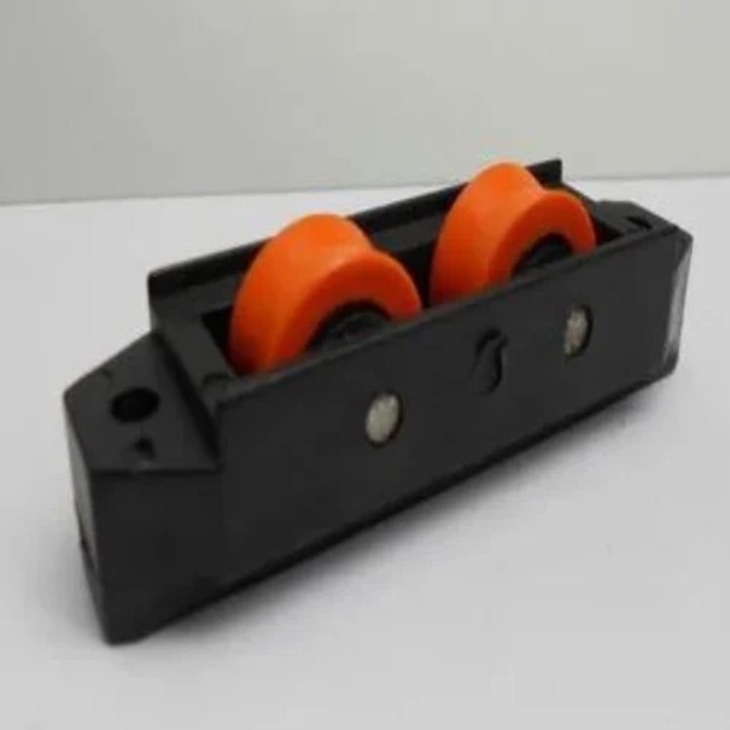 | Aluminium Window & Door Hardware Being a customer oriented firm, we are engaged in offering a wide range of Sliding Window Bearing. View product → |
Frequently asked questions
How do you choose rollers for a sliding door?
Identify the door’s load path first. Bottom-rolling doors use wheels on a floor track, while top-hung doors use carriages attached to an overhead structure.
What should you check when matching sliding door rollers?
Compare the total door load with roller capacity, then confirm wheel material, track compatibility and the requirements of glass doors.
Which dimensions must you verify before replacing a roller?
Measure wheel diameter, housing width and height, axle position, mounting-hole spacing, clearance and track dimensions before ordering.
Why does a sliding door move poorly after roller replacement?
Inspect the track, alignment, wheel condition, debris, adjustment screws and the complete assembly. Replacing one roller will not correct a damaged or misaligned track.
What should a Mumbai supplier quotation include?
Specify the door construction, roller system, dimensions, wheel material, load requirement, quantity, finish, delivery location and installation or replacement details.
Related products
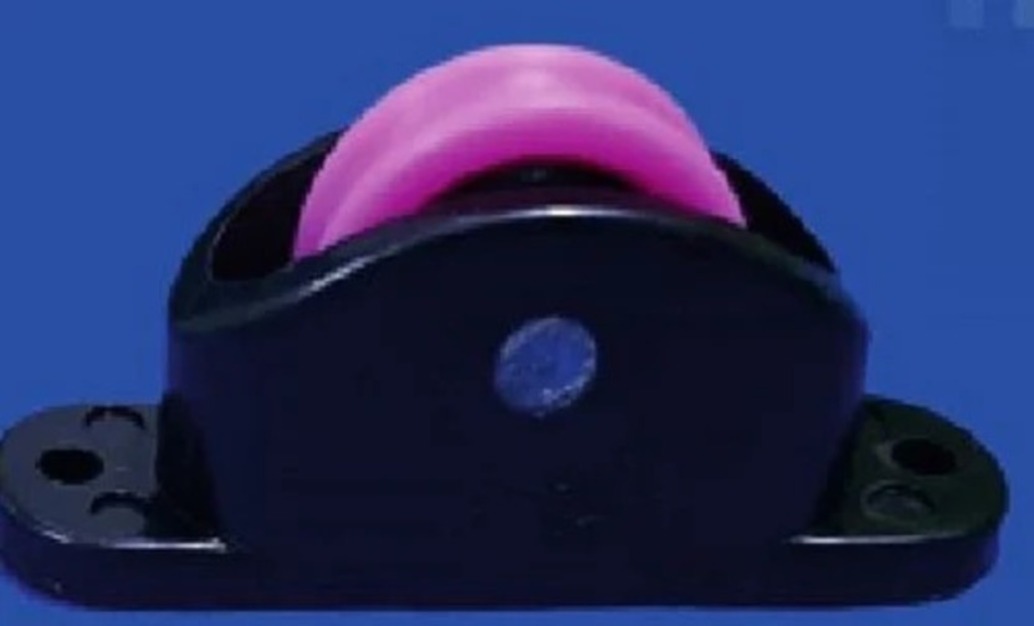 | Aluminium Window & Door Hardware Aluminium sliding window bearings are essential components in the construction of sliding windows, providing the necessary support and functionality... View product → |
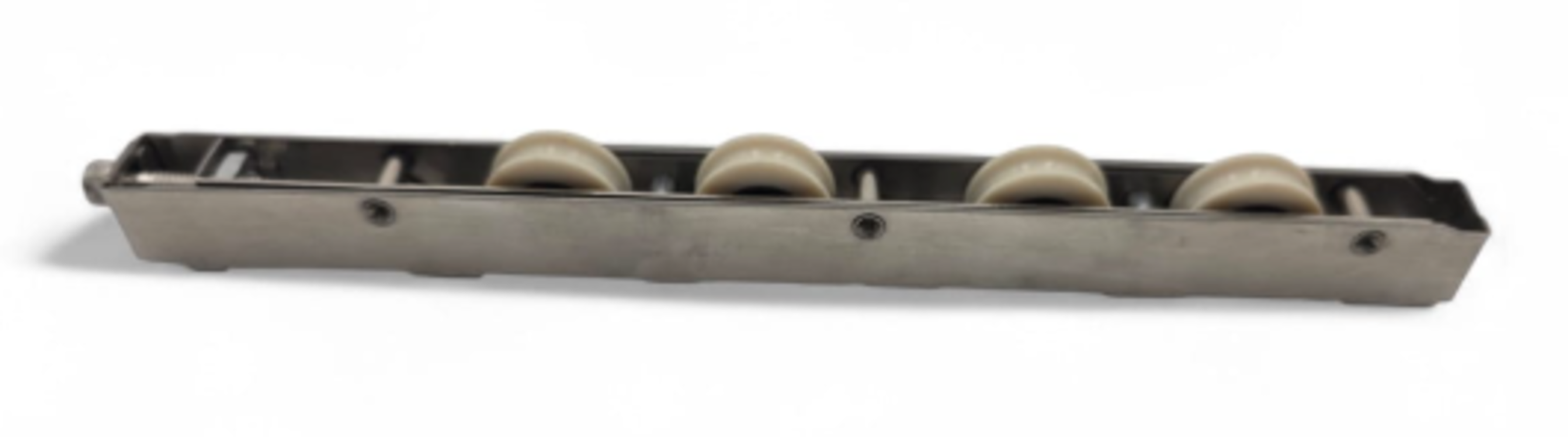 | Aluminium Window & Door Hardware Aluminium Sliding Window Bearing Aluminium Sliding Window Bearing is smoothly run on track. Body made by SS 304 and wheel made by Nylon. View product → |
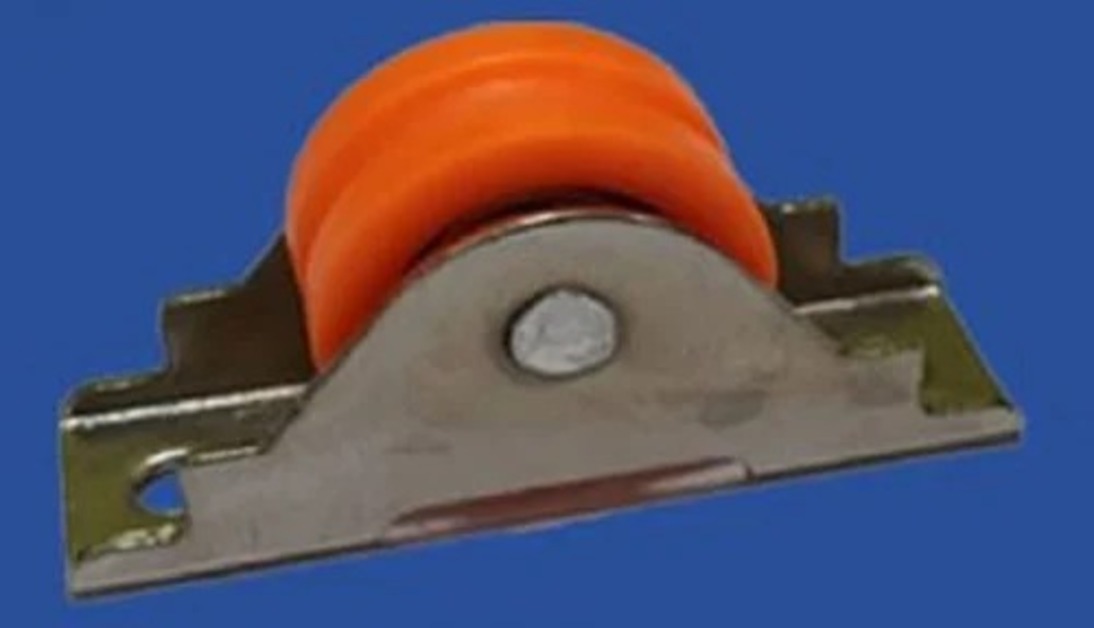 | Aluminium Window & Door Hardware Aluminium window MS Bearing is used in sliding shutter. Bode made by MS sheet with zink plating and wheel in plastic material . View product → |
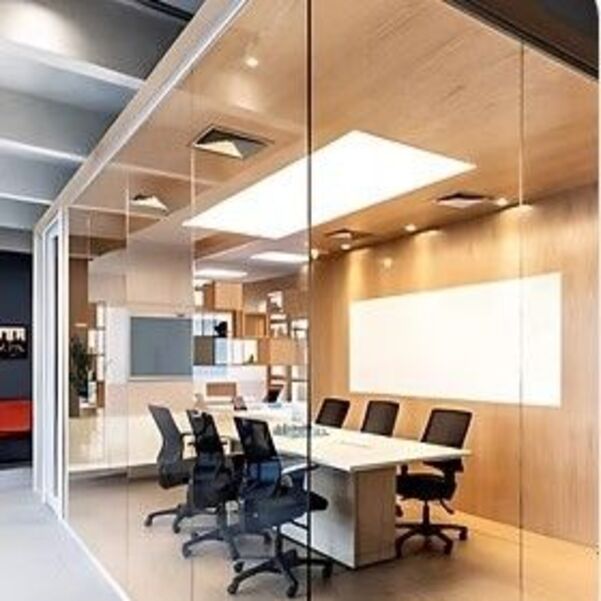 | Aluminium Slim Partition Profile The Synchro Sliding System is a modern sliding door mechanism that allows two or more doors to open and close simultaneously with smooth,... View product → |